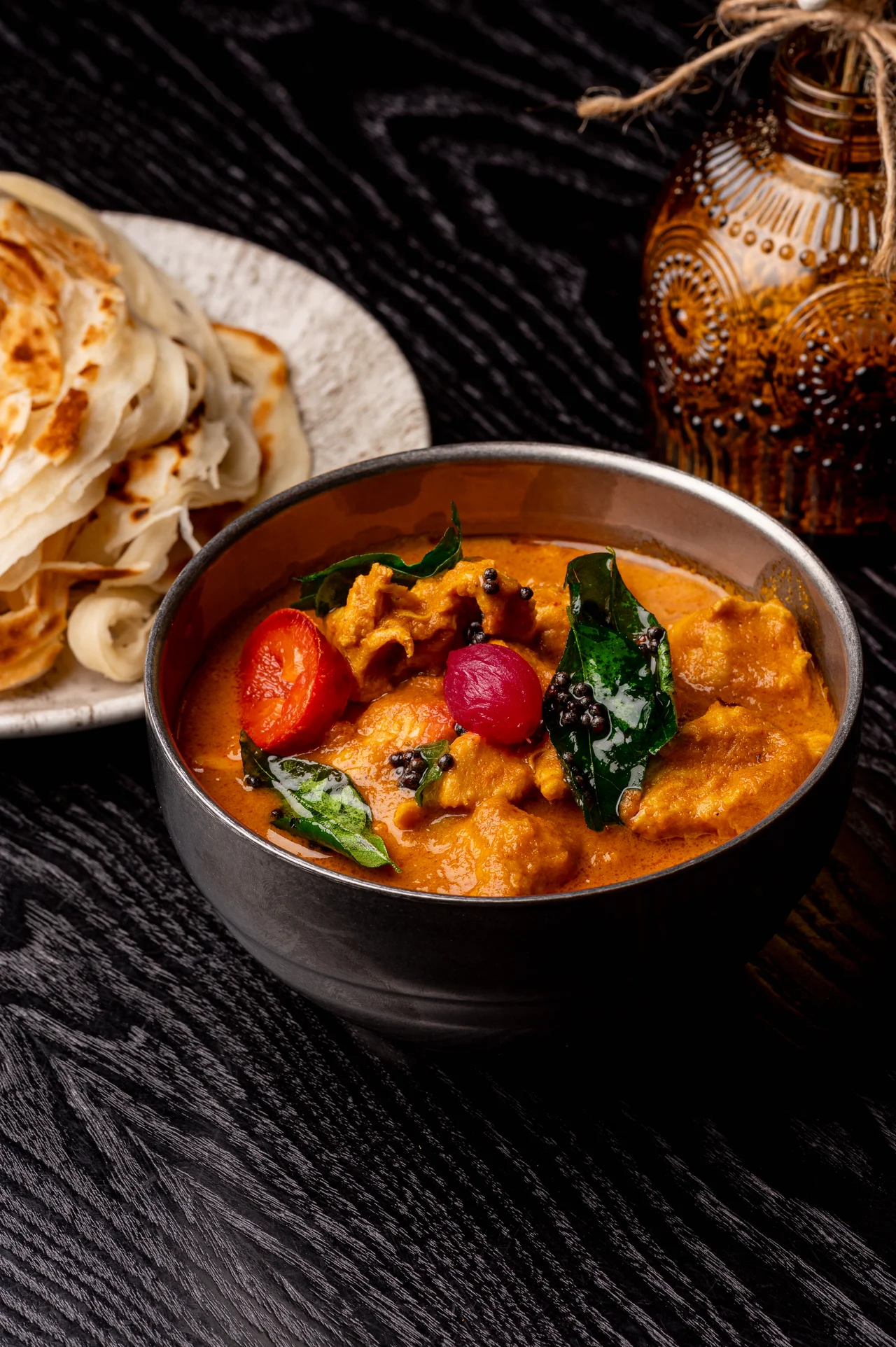
Walk into an Indian restaurant in Britain and there’s a good chance one word immediately comes to mind:
Naan.
Garlic naan. Cheese naan. Peshwari naan.
But here’s something many first-time diners don’t realise:
India doesn’t have one Indian bread.
Across the country, you’ll find an extraordinary variety of flatbreads and breads shaped by regional ingredients, cooking methods and local traditions.
Naan, chapati, roti, paratha, Kerala porotta, appam and pathiri can all accompany Indian food — but they are very different things.
And if you’re exploring Kerala cuisine, automatically ordering naan may mean missing one of the best parts of the meal.
At Kerala Canteen in Leeds, the bread we particularly want people to discover is the wonderfully flaky Kerala porotta.
So what’s the difference between porotta, chapati, naan and other Indian breads?
Here’s our beginner’s guide.
What Are Indian Breads?
“Indian bread” is really an umbrella term covering numerous breads and flatbreads eaten across different regions of India.
They can be:
- Leavened or unleavened
- Soft or crisp
- Thin or thick
- Layered or flat
- Made from wheat, refined flour or rice
- Cooked on a griddle
- Baked in a tandoor
- Cooked on a hot plate
- Fried
Steamed or fermented in some regional preparations
The bread served with a meal can tell you something about where that food comes from.
That’s why exploring regional breads is one of the easiest ways to move beyond the idea that Indian food simply means “curry and naan.”
What Is Kerala Porotta?
If you visit Kerala Canteen and have never tried Kerala porotta, start here.
Kerala porotta — sometimes written parotta — is a flaky, layered flatbread popular in Kerala and other parts of South India.
Its texture is what makes it special.
Rather than being uniformly soft like many flatbreads, a good porotta has layers that pull apart.
It’s simultaneously soft, slightly crisp and wonderfully chewy.
And when you pair it with curry, something magical happens.
Why Is Kerala Porotta So Flaky?
The characteristic texture comes from creating layers in the dough.
The dough is worked, stretched and folded so that those layers separate during cooking.
The result is very different from a simple flatbread.
Pull a porotta apart and you’ll see why people love it.
Those layers are brilliant for catching curry.
You don’t simply put curry on the bread.
You tear off a piece, fold it with your fingers and use it to scoop up the sauce.
For many people from Kerala, porotta and curry is pure comfort food.
What Should You Eat with Kerala Porotta?
The short answer?
Curry.
The better answer?
Something rich enough to get into all those layers.
At Kerala Canteen, one of our favourite combinations is:
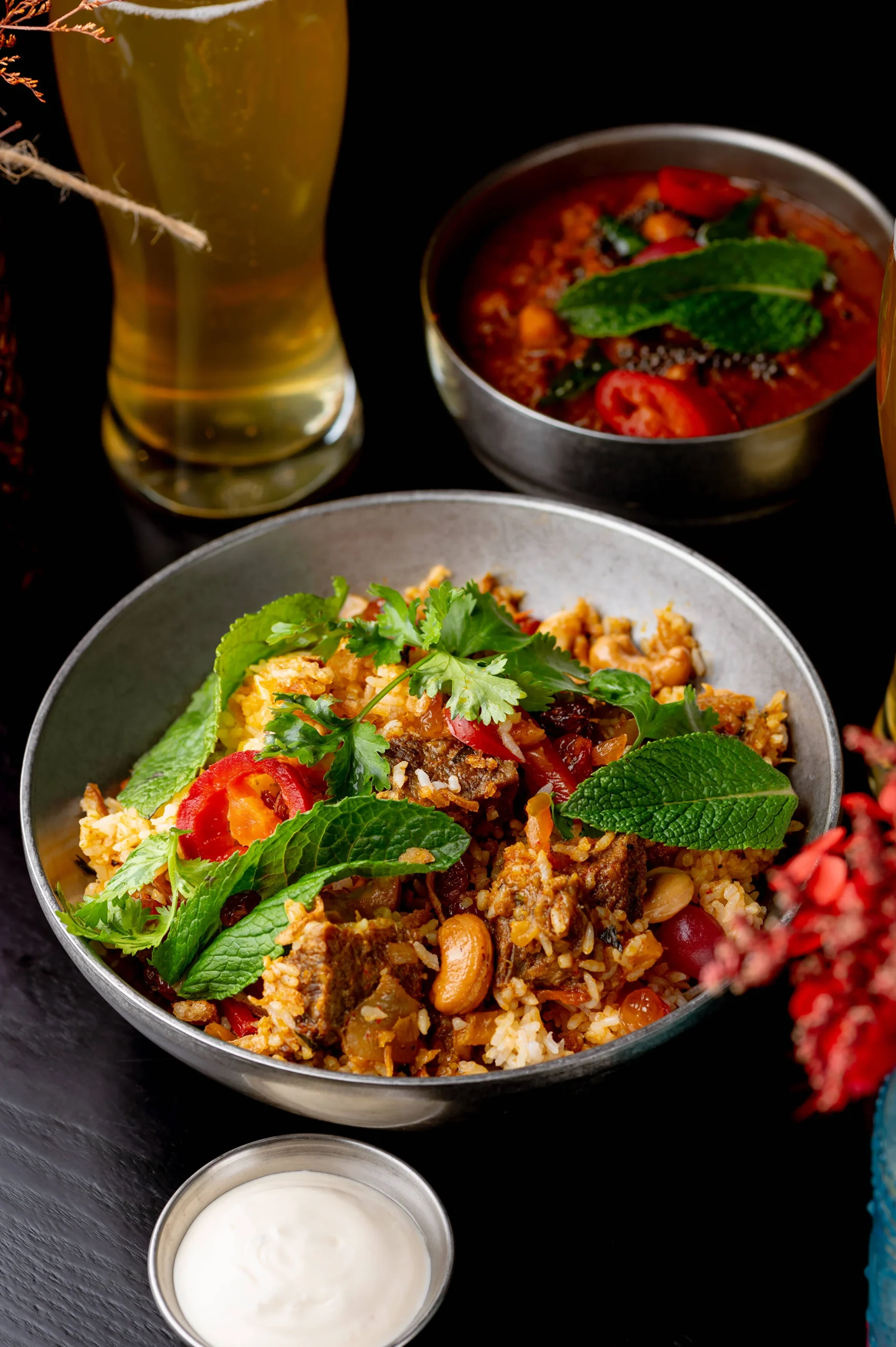
Beef & Bone Marrow Curry + Kerala Porotta
Tear the porotta.
Scoop the curry.
Forget the cutlery for a minute.
It’s one of the simplest ways to understand the pleasure of Kerala food.
Porotta can also work beautifully alongside chicken, lamb and vegetable curries.
If you’ve never eaten it before, we’d strongly recommend ordering one alongside your curry rather than automatically asking for naan.
What Is Chapati?
Chapati is one of India’s most familiar everyday flatbreads.
It is traditionally an unleavened bread made primarily from whole-wheat flour and water, with regional and household variations.
Unlike naan, it doesn’t require a tandoor.
Unlike Kerala porotta, it isn’t built around multiple flaky layers.
Chapati is generally thinner and simpler, making it an everyday accompaniment to numerous Indian meals.
Its relative simplicity is also part of its appeal.
Where a porotta can be indulgently flaky, chapati allows the accompanying food to take centre stage.
Is Chapati the Same as Roti?
This is where Indian bread terminology can become confusing.
The words roti and chapati are sometimes used interchangeably, particularly outside India, but terminology varies between regions and households.
“Roti” can also be used more broadly to refer to different types of flatbread.
The important thing for a beginner isn’t memorising a complicated bread family tree.
It’s understanding that the bread culture of India is far more diverse than naan alone.
What Is Naan?
Naan is probably the Indian bread best known in Britain.
It’s a leavened flatbread traditionally associated with tandoor cooking and the culinary traditions of northern parts of the Indian subcontinent.
A tandoor is an extremely hot clay oven.
The dough is typically stretched and placed against the hot interior wall of the oven, producing the characteristic blistering, charred spots and soft texture associated with naan.
Restaurants have created countless variations:
- Plain naan.
- Garlic naan.
- Butter naan.
- Cheese naan.
- Peshwari naan.
They’re delicious.
But naan isn’t the default bread for every Indian cuisine.
Do People Traditionally Eat Naan in Kerala?
Naan isn’t the bread that best represents everyday traditional Kerala food.
This is an important distinction.
Many British diners have understandably come to associate naan with all Indian restaurants because of the influence of North Indian and British curry-house menus.
But India is enormous.
Travel south to Kerala and you’ll encounter a completely different food culture.
That’s why at Kerala Canteen we want diners to discover Kerala porotta and other South Indian traditions rather than assuming every Indian curry needs naan.
Porotta vs Naan: What’s the Difference?
This is one of the most useful comparisons for someone discovering regional Indian food.
Kerala Porotta
Region: Particularly associated with Kerala and South India
Texture: Flaky, layered, chewy
Character: Pull-apart layers
Great with: Rich Kerala curries
Naan
Association: Particularly familiar from North Indian and restaurant cooking
Texture: Soft, pillowy and sometimes blistered
Cooking method: Traditionally cooked in a tandoor
Great with: Numerous North Indian-style curries and grilled dishes
Neither is “better.”
They belong to different food traditions.
The exciting part is trying both.
Porotta vs Chapati: What’s the Difference?
Although both are flatbreads, the eating experience is very different.
Chapati is generally thinner, simpler and traditionally whole-wheat based.
Kerala porotta is layered, flaky and richer in texture.
Think of chapati as an everyday flatbread designed to accompany food without demanding too much attention.
Porotta announces itself.
- You pull apart the layers.
- You feel the texture.
- You scoop up curry.
The bread becomes part of the experience.
What Is Paratha?
Now we need to clear up another common source of confusion.
Paratha and Kerala porotta are not simply two spellings for exactly the same bread.
Paratha refers to a broad family of layered or stuffed flatbreads found in different parts of the Indian subcontinent.
Depending on where you are, you might encounter:
- Plain paratha
- Aloo paratha
- Paneer paratha
- Gobi paratha
- Laccha paratha
Kerala porotta belongs to the wider world of layered flatbreads but has its own distinctive South Indian identity, preparation and texture.
For a beginner, the easiest rule is:
Don’t assume similar names mean identical breads.
India loves regional variation.
What Is Appam?
If you really want to understand Kerala breads and accompaniments, you need to go beyond wheat.
Appam is closely associated with Kerala and is traditionally made using a fermented rice-based batter with coconut.
It has a completely different texture from naan, chapati or porotta.
A well-made appam typically has a soft, spongy centre surrounded by a thinner, more delicate edge.
It’s particularly good with Kerala-style stews and coconut-based curries because that soft centre absorbs the sauce beautifully.
What Is Pathiri?
Pathiri is another bread associated particularly with Kerala’s Malabar region.
Unlike naan, chapati or porotta, it is traditionally a rice-flour flatbread.
Its presence tells another important story about South Indian food:
Not every Indian bread is based around wheat.
Rice is fundamental to Kerala cuisine, and that influence extends well beyond simply serving a bowl of rice alongside curry.
Why Is Rice So Important to South Indian Breads?
When British diners think of bread, wheat feels almost automatic.
In southern India, rice plays a much larger role.
Rice can be transformed into batters, pancakes, breads, steamed foods and countless other preparations.
This is why exploring South Indian food introduces you to dishes such as:
- Dosa.
- Idli.
- Appam.
- Pathiri.
They aren’t necessarily all “bread” in exactly the same Western sense, but they perform some similar roles within meals and demonstrate just how diverse India’s staple foods can be.
Is Dosa an Indian Bread?
Dosa is better understood as a fermented savoury crepe or pancake rather than a conventional bread.
Traditional dosa batter generally combines rice and lentils, which are soaked, ground and fermented before cooking.
The result can be wonderfully crisp.
At Kerala Canteen, our Mini Broccoli Masala Dosa introduces this South Indian tradition through our Kerala tapas format.
For someone who has only ever experienced naan at an Indian restaurant, dosa can completely change their understanding of Indian food.
What About Poppadoms?
Poppadoms are another familiar feature of British Indian restaurants, but they’re not really bread either.
They’re thin, crisp wafers traditionally made using ingredients such as lentil or pulse flour, depending on the variety.
Rather than being used exactly like naan or chapati, they’re commonly eaten as a snack, accompaniment or part of a wider meal.
Their crisp texture provides contrast against softer curries, rice and breads.
Which Indian Bread Is Best with Curry?
There isn’t one correct answer.
It depends on the curry.
A rich Kerala curry?
Try Kerala porotta.
A North Indian curry?
Naan or roti may be wonderful.
A Kerala stew?
Appam can be exceptional.
Different breads absorb, scoop and complement sauces differently.
Matching bread to curry is part of understanding regional Indian food.
Which Indian Bread Should a Beginner Try First?
If you’re eating at a restaurant specialising in a particular Indian region, our biggest recommendation is:
Order the bread from that region.
At Kerala Canteen, that means Kerala porotta.
Don’t choose naan simply because you recognise the word.
Trying regional food is about giving yourself permission to order something unfamiliar.
If you’re sharing, it’s even easier.
Order different breads or accompaniments for the table and compare them.
Food should be discovery, not an exam.
Can You Eat Indian Bread with Your Hands?
Yes.
And in many situations, that’s precisely what makes it enjoyable.
Tear off a manageable piece.
Use your fingers to shape or fold it.
Scoop up some curry.
Eat.
Repeat.
You don’t need to be self-conscious about it.
Of course, if you prefer cutlery, use it.
The important thing is enjoying your meal.
Is Indian Bread Vegan?
Some Indian breads can be vegan, while others may contain ingredients such as ghee, butter, milk, yoghurt or egg, depending on the recipe.
Never assume from the name alone.
If you’re vegan or have an allergy or intolerance, check the restaurant’s current dietary and allergen information before ordering.
The same applies to gluten.
Many familiar Indian flatbreads are wheat-based, while some regional foods use rice or pulses — but preparation methods and cross-contact need to be considered.
Why Doesn’t Every Indian Restaurant Serve the Same Bread?
Because there is no single Indian cuisine.
That’s the recurring theme.
India contains an extraordinary collection of regional culinary cultures.
The breads of Punjab don’t need to be the breads of Kerala.
The breads of Kerala don’t need to be those of Gujarat or Bengal.
- Climate matters.
- Agriculture matters.
- Religion matters.
- Migration matters.
- History matters.
What people could grow locally mattered enormously.
Understanding Indian bread is therefore another way of understanding India itself.
Kerala Porotta and the Story of Kerala Canteen
At Kerala Canteen in Leeds, we want people to experience Indian food regionally.
The concept was developed around the flavours and recipes of Kerala while embracing outstanding British and Yorkshire produce.
Bobby Geetha, known from MasterChef UK and BBC Great British Menu, represented Yorkshire & Humber on Great British Menu.
That meeting of two places — Kerala and Yorkshire — continues to shape the restaurant.
You’ll see it in dishes such as our Beef & Bone Marrow Curry.
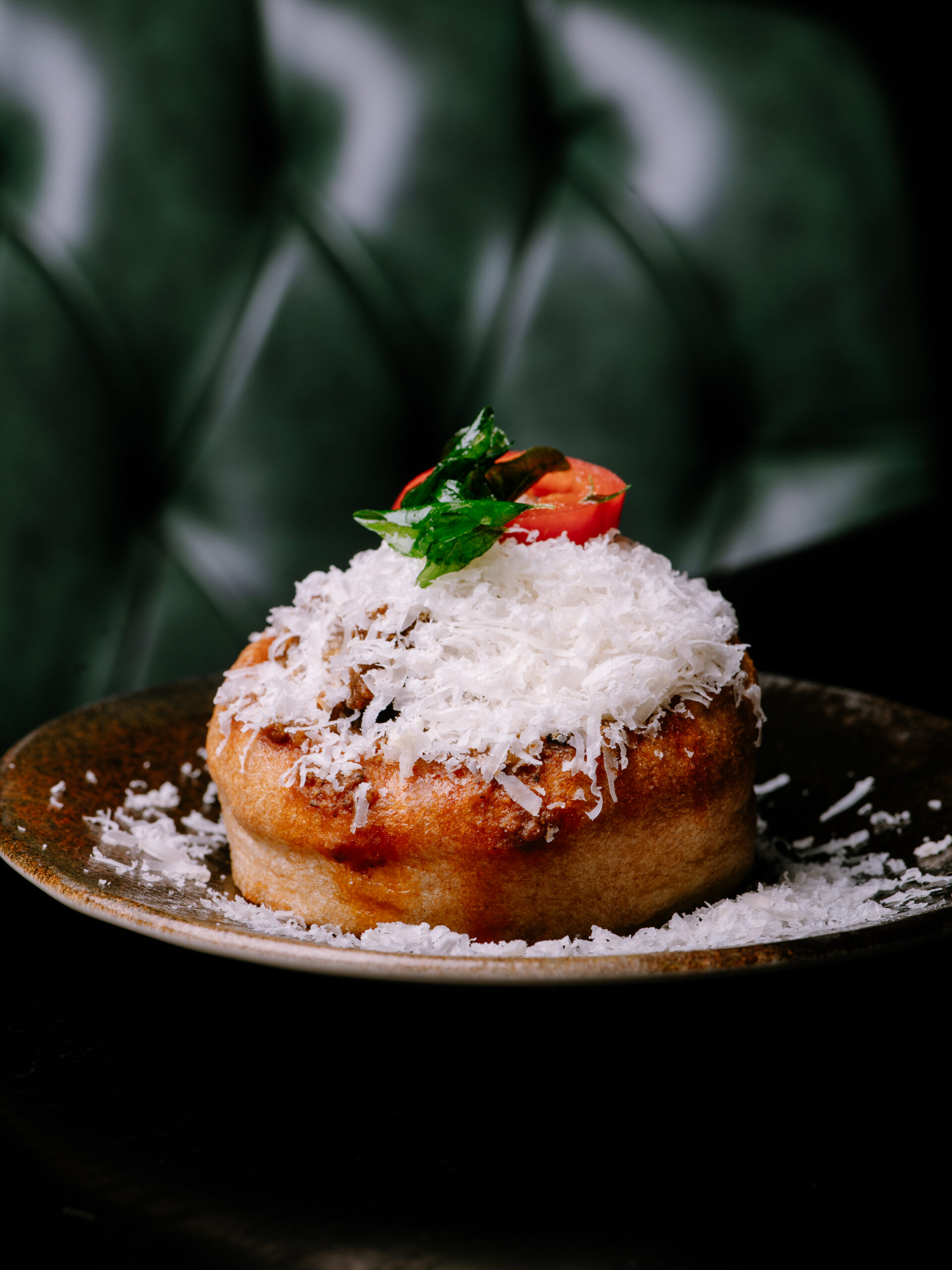
You’ll see it in creations such as our Beef Curry Pie and Kerala-inspired Sunday Roast with curried T-bone steak and giant Yorkshire pudding.
But sometimes the most authentic experience is much simpler.
A bowl of curry.
A warm Kerala porotta.
Your hands.
That’s enough.
Indian Breads: Frequently Asked Questions
What is the most popular Indian bread?
Naan is probably the Indian bread most familiar to British restaurant diners, but India has numerous regional breads and there is no single bread that represents the entire country.
What’s the difference between naan and chapati?
Naan is a leavened flatbread traditionally associated with tandoor cooking, while chapati is generally a thinner unleavened whole-wheat flatbread cooked on a hot griddle or tava.
What’s the difference between naan and Kerala porotta?
Naan is typically soft and pillowy, whereas Kerala porotta is characterised by flaky, pull-apart layers. They also belong to different regional food traditions.
Is porotta the same as paratha?
Not exactly. Paratha describes a broad family of Indian flatbreads, while Kerala porotta has its own distinctive preparation, texture and regional identity.
What is the best bread for Kerala curry?
It depends on the dish, but Kerala porotta is one of Kerala’s most popular curry accompaniments and works particularly well with rich meat and vegetable curries.
Is naan South Indian?
Naan is much more closely associated with northern Indian and tandoor-based culinary traditions. South India has its own extensive range of breads and rice-based preparations.
What is Kerala porotta made from?
Kerala porotta is traditionally a layered flatbread generally prepared using refined wheat flour, along with other ingredients depending on the recipe.
What Indian bread is made from rice?
Regional rice-based breads include pathiri, particularly associated with Kerala’s Malabar region. Appam is another Kerala speciality made from a fermented rice-based batter.
Do you need bread with Indian curry?
No. Many Indian meals are eaten with rice or other staples instead. The appropriate accompaniment depends on the dish and region.
Where can I try Kerala porotta in Leeds?
Kerala Canteen in Leeds serves Kerala porotta alongside its regional Kerala dishes and curries, including combinations such as Beef & Bone Marrow Curry with porotta.
Beyond Naan: Discover India’s Regional Breads
If there’s one thing we’d like you to remember, it’s this:
Indian bread does not begin and end with naan.
- Naan tells one story.
- Chapati tells another.
- Paratha tells another.
Appam, pathiri and dosa take you somewhere completely different.
And Kerala porotta tells the story of Kerala.
- Flaky.
- Layered.
- Made for tearing.
- Made for curry.
- Made for sharing.
So next time you visit an Indian restaurant, don’t automatically order what you already know.
Look at where the restaurant’s food comes from.
Ask what bread belongs with it.
And order that.
You may discover that something as simple as changing your bread completely changes your understanding of Indian food.
Try Kerala Porotta in Leeds
If you’re searching for Kerala porotta in Leeds, Indian breads in Leeds, South Indian restaurant Leeds, Kerala food Leeds, authentic Indian restaurant Leeds or simply want to explore Indian cuisine beyond naan, visit Kerala Canteen.
Start with Kerala tapas.
Choose a curry.
Order a porotta.
Tear it with your hands.
Scoop up the sauce.
Then you’ll understand why, for so many people from Kerala, porotta and curry isn’t just dinner — it’s comfort food.
Kerala Canteen, Leeds.
Kerala in flavour. Yorkshire at heart.